Eden Long · 26 September 2026
Refining Algorithmic Decision-Making for Transportation Logistics Using Specialized Analytics Solutions
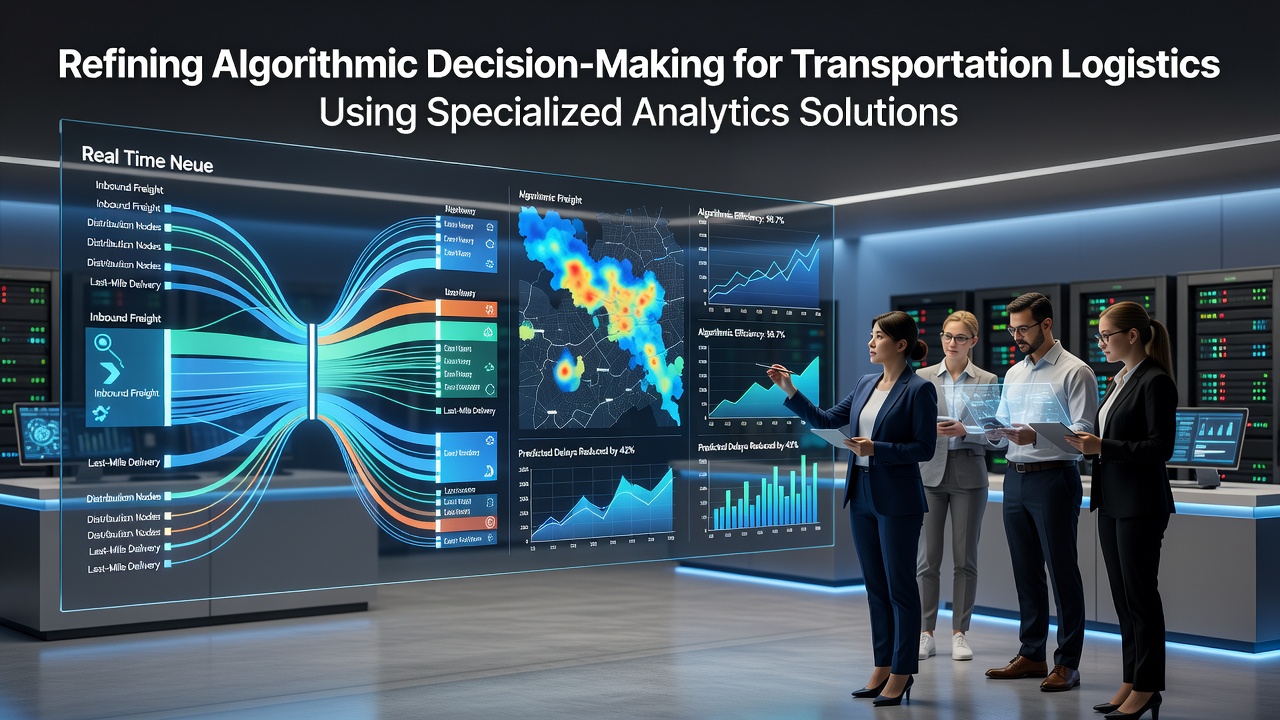
Specialized analytics solutions have transformed how organizations approach algorithmic decision-making in transportation logistics by processing vast datasets from vehicle sensors, traffic patterns, and supply chain variables into actionable insights. Companies integrate machine learning models with optimization algorithms to adjust routes dynamically, and this integration reduces fuel consumption while maintaining delivery schedules. Data from multiple regions shows that firms adopting these tools report measurable gains in operational efficiency, particularly when handling complex multimodal shipments across road, rail, and maritime networks.
Core Components of Algorithmic Refinement
Algorithmic refinement begins with data ingestion layers that aggregate inputs from GPS trackers, weather APIs, and inventory systems, then applies statistical techniques to identify bottlenecks before they disrupt operations. Researchers have documented cases where predictive models forecast delays with increasing accuracy as datasets grow larger, and these forecasts allow logistics planners to reroute shipments in advance rather than reacting after issues arise. The process incorporates reinforcement learning loops that test alternative decisions against historical outcomes, which sharpens the algorithms over successive iterations without requiring manual recalibration.
Specialized platforms often embed constraint solvers that balance variables such as vehicle capacity, driver hours regulations, and emissions targets simultaneously, and this multi-objective approach prevents the common problem of optimizing one metric at the expense of others. Observers note that organizations achieve more consistent results when they combine these solvers with real-time simulation engines, because the simulations reveal how small changes in one variable propagate through entire networks.
Implementation Patterns Across Industries
Freight operators in North America have applied these analytics solutions to long-haul trucking fleets, where algorithms evaluate thousands of possible load combinations each hour and select configurations that minimize empty miles. European rail operators meanwhile use similar frameworks to coordinate cross-border movements, and studies indicate that synchronized scheduling reduces idle time at terminals by aligning arrivals with available handling capacity. Australian mining companies have extended the same principles to heavy equipment logistics in remote areas, where terrain data feeds into pathfinding algorithms that account for fuel availability and maintenance windows.
Integration typically occurs through modular APIs that connect existing enterprise resource planning systems with newer analytics engines, and this modular design lets companies phase in capabilities without halting daily operations. One documented rollout at a major distributor showed that initial deployment of route optimization modules delivered measurable savings within the first quarter, after which teams expanded the system to include demand forecasting components. The phased method also simplifies compliance checks because each module undergoes separate validation against regional transport regulations before full activation.
Data Sources and Model Training Considerations
Training datasets for these algorithms draw from both proprietary operational records and publicly available infrastructure statistics, with sources including the US Federal Highway Administration for traffic flow patterns and the Australian Bureau of Infrastructure, Transport and Regional Economics for freight volume trends. Model accuracy improves when training incorporates seasonal variations and rare events such as port strikes or extreme weather, because the algorithms learn to generate fallback plans rather than defaulting to standard routes. Analysts emphasize the importance of continuous retraining cycles, since outdated models lose predictive power as infrastructure and regulations evolve.

Privacy safeguards and data governance protocols accompany these training processes, and organizations must anonymize location data while preserving enough detail for meaningful pattern recognition. Regulatory frameworks in multiple jurisdictions now require documentation of algorithmic decision criteria, which encourages developers to build explainability features directly into the analytics solutions rather than treating them as afterthoughts.
Performance Metrics and Monitoring Frameworks
Key performance indicators tracked by these systems include on-time delivery rates, total kilometers traveled per shipment, and carbon emissions per ton-kilometer, with dashboards presenting trends across daily, weekly, and monthly intervals. Teams set threshold alerts that flag when any metric deviates beyond predefined bands, and this early-warning capability enables corrective actions before problems compound across the network. In September 2026, several transport authorities plan to release updated benchmarking datasets that will allow organizations to compare their algorithmic performance against industry aggregates compiled from anonymized submissions.
Continuous monitoring also involves stress-testing algorithms against simulated disruptions, and results from these exercises help identify edge cases where human oversight remains necessary. Organizations that maintain hybrid decision loops, where algorithms propose options and experienced planners retain final approval authority, report fewer instances of costly errors compared with fully automated setups.
Conclusion
Specialized analytics solutions continue to refine algorithmic decision-making in transportation logistics by combining high-volume data processing with iterative optimization techniques that adapt to changing conditions. Organizations across regions demonstrate consistent operational improvements when they align these tools with their specific regulatory and infrastructure contexts, and ongoing developments in model training and monitoring frameworks support further gains in efficiency and reliability. The trajectory points toward tighter integration between analytics platforms and emerging technologies such as connected vehicle systems, which will expand the range of variables algorithms can incorporate in real time.